
Office Interior Fit-Out: Transform Your Workplace for Productivity and Style
A well-designed office interior fit out does more than improve appearance. It influences productivity, employee comfort, collaboration, and overall business performance. As companies place greater emphasis on workplace experience, office interior fit-out projects have become a strategic investment rather than a simple renovation.
An effective office fit-out combines layout planning, functional design, and modern aesthetics to create a workspace that supports both efficiency and brand identity. This article explains how office interior fit-outs work and why they play an important role in building a productive and professional environment.
Key Takeaways
- Office interior fit out improves productivity, employee comfort, and workplace efficiency.
- A well-planned layout supports better workflow, collaboration, and space utilisation.
- Modern fit-outs balance functionality, brand identity, and visual appeal.
- Professional planning helps reduce long-term costs and improve workplace performance.
- Investing in a quality fit-out strengthens both employee satisfaction and business image.
What Is an Office Interior Fit-Out?
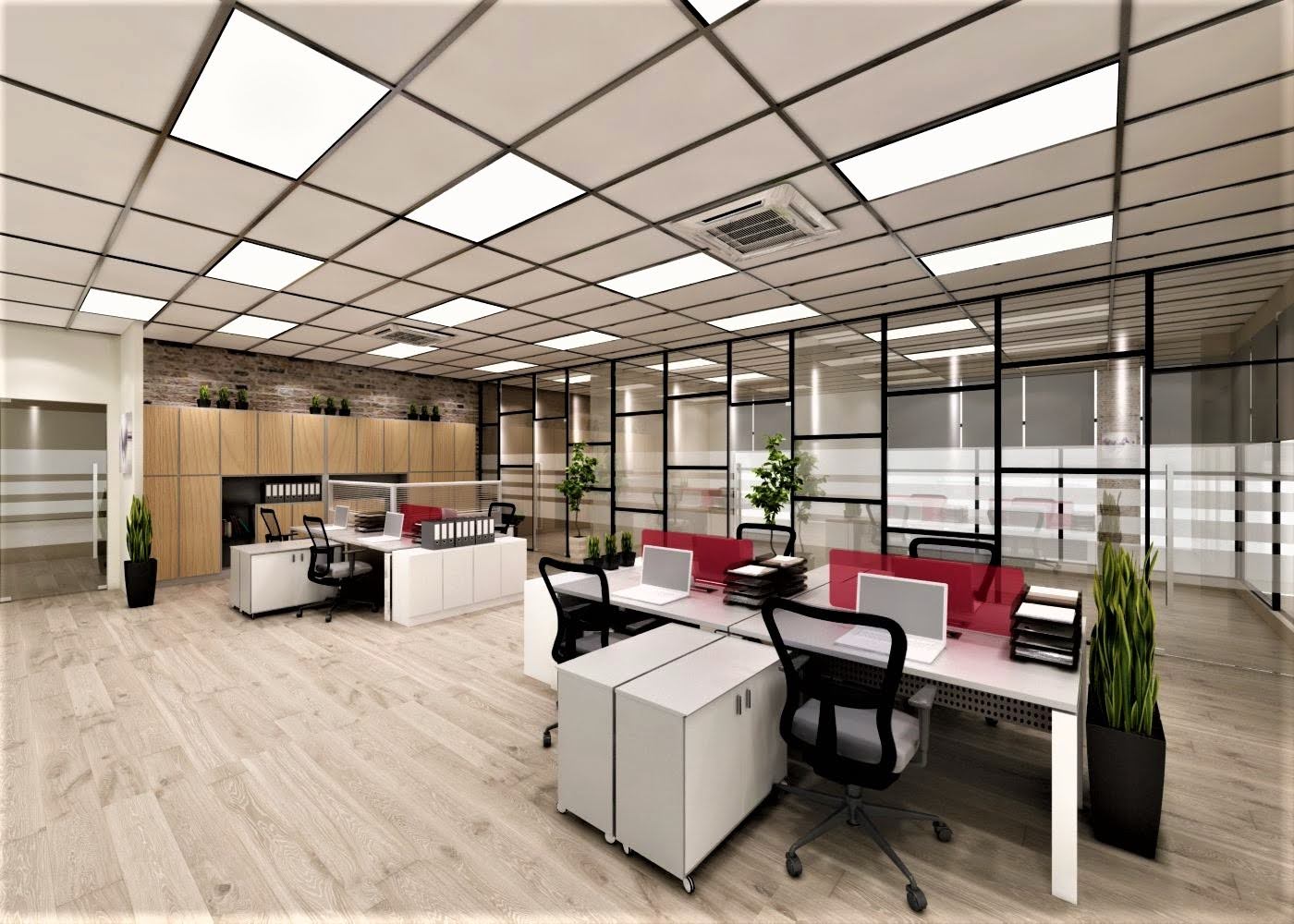
An office interior fit-out refers to the process of designing and building a workspace that is functional, comfortable, and aligned with business needs. It usually involves transforming an empty or outdated office into a fully operational environment.
Typical elements of an office fit-out include:
- Space planning and layout design
- Workstations and office furniture
- Lighting and electrical systems
- Meeting rooms and collaborative spaces
- Flooring, ceilings, and partitions
- Reception areas and branding elements
The goal is not only to make the office look modern but also to ensure the space supports daily operations efficiently.
How Office Fit-Out Improves Productivity
The physical environment has a direct impact on how employees work. A poorly designed office can cause distractions, discomfort, and inefficient workflows. A well-executed fit-out addresses these issues through thoughtful planning.
Better Space Utilisation
A proper layout ensures every area serves a clear purpose. For example:
- Open workspaces improve collaboration
- Quiet zones support focused tasks
- Meeting rooms reduce unnecessary noise in common areas
This balance allows employees to work more efficiently without unnecessary interruptions.
Improved Comfort and Ergonomics
Office interior fit outs often include ergonomic furniture and better lighting solutions. These improvements help reduce fatigue, improve posture, and create a healthier work environment. Comfortable employees are more focused and productive over time.
Enhanced Workflow
Strategic placement of departments, workstations, and shared spaces improves communication and reduces wasted time. Employees can move easily between tasks, meetings, and collaborative activities without disruption.
Combining Productivity with Modern Design
Office interior fit outs today are not only about function. Businesses also want workspaces that reflect professionalism and brand identity.
Modern office design focuses on:
- Clean, organised layouts
- Natural lighting and open spaces
- Neutral colours combined with brand accents
- Minimalist yet functional furniture
- Flexible workspaces that adapt to different needs
A visually appealing workspace improves employee morale and leaves a stronger impression on clients and visitors.
Key Elements of a Successful Office Fit-Out
A professional office interior fit-out involves several stages to ensure the final result meets business needs:
1. Space Planning
This stage focuses on understanding how the office will be used. It includes analysing workflow, employee requirements, and available space.
2. Design and Concept Development
Designers create a layout that balances productivity, comfort, and visual appeal. This stage may include 3D visualisations and material selections.
3. Construction and Installation
This includes installing partitions, lighting systems, flooring, furniture, and other essential elements needed to complete the office space.
4. Final Adjustments
After installation, adjustments are made to ensure the workspace functions smoothly and meets the company’s operational requirements.
Benefits of Investing in an Office Interior Fit-Out
|
Benefit |
How It Helps Businesses |
|
Higher Productivity |
Employees work more efficiently in a well-organised environment |
|
Stronger Brand Image |
A modern office creates a positive impression on clients |
|
Better Employee Experience |
Comfortable workspaces improve satisfaction and morale |
|
Improved Space Efficiency |
Reduces wasted space and improves workflow |
|
Long-Term Cost Savings |
Well-planned design reduces future renovation costs |
A professionally designed office is not just an expense. It is a long-term investment in business performance.
When Should a Business Consider an Office Fit-Out?
Companies often invest in an office fit-out when:
- Moving into a new office space
- Expanding the business or hiring more employees
- Upgrading an outdated workspace
- Rebranding or improving company image
- Improving employee productivity and workplace efficiency
Recognising the right time to upgrade the workspace helps businesses stay competitive and maintain a professional working environment.
Final Thoughts
An office interior fit-out is more than a design project. It is a strategic step toward improving productivity, enhancing employee comfort, and strengthening a company’s professional image. By combining functional planning with modern design, businesses can create workspaces that support both performance and style.
A well-executed fit-out helps organisations operate more efficiently while creating an environment that reflects professionalism, innovation, and long-term growth.